




Personal Loans Vs. Credit Cards For Larger Expenses
09/21/2026
By: Industrial Federal Credit Union
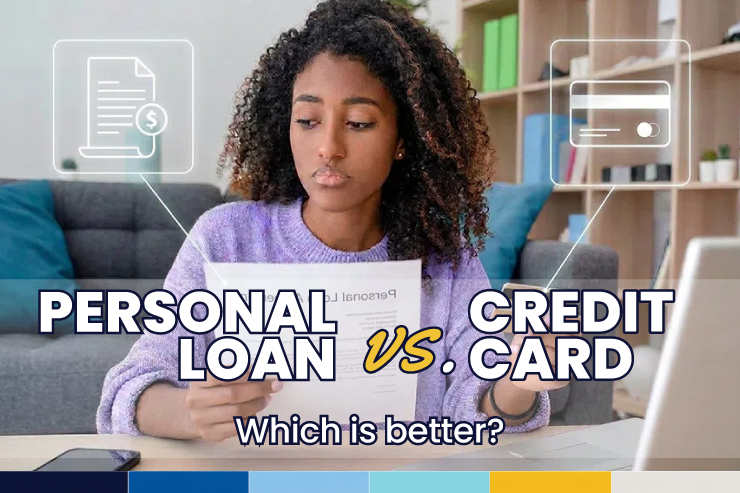
Personal Loans vs. Credit Cards: Which Is Better for Larger Expenses?
Your furnace quits in January, and the repair estimate comes to $5,000. Paying the full bill from checking would leave too little for the rest of the month, so you need another way to cover it. Personal loans and credit cards can both solve the immediate problem, but they change your financial picture for the next several months very differently.
The best choice for your needs often depends on what happens after the contractor leaves. You need to know how the balance will be repaid and what the debt could cost. You also need a payment that leaves room for everything else in your budget.
How Personal Loans and Credit Cards Handle the Same $5,000
Start with what happens to the furnace bill after you borrow the money.
With a personal loan, you borrow a set amount and repay it over an agreed-upon loan term. Personal loans are installment loans, which means you make scheduled payments until the balance reaches zero.
A credit card works as a type of revolving credit. The $5,000 furnace charge becomes part of the card balance, and your available credit increases again as you pay that balance down. You can also keep using the same account for other purchases.
That distinction can affect how easy it is to keep track of the original expense. A personal loan keeps the furnace replacement in its own repayment plan. With a credit card, groceries, gas, subscriptions, or another purchase can join the same balance if you continue using the account.
If you know you need $5,000, you can compare an IFCU unsecured personal loan with using your existing credit card for the same expense.
How Much Will the Furnace Cost by the Time You Finish Paying for It?
The contractor’s $5,000 invoice tells you the price of the furnace repair, but it doesn’t tell you the final cost of borrowing the money.
A credit card may feel easier at first because the required minimum payment can be much smaller than a scheduled loan payment. And that smaller amount tells you the minimum due for the current billing cycle, but it says very little about how long the balance could remain.
Look at the APR and any fees for each option. Then factor in the amount you expect to pay each month and how long that pace would keep the debt in your budget. Taken together, this information gives you a much better picture of the total borrowing cost.
Credit card terms deserve extra attention if you expect to carry the balance from one month to the next. Depending on the account, a grace period may help you avoid purchase interest when you pay the statement balance in full by the due date. If interest applies once you carry the balance, leaving it unpaid longer can increase the total amount you repay.
Paying only the minimum extends the payoff period. Before choosing a personal loan vs. credit card, work out what each option could cost from the day you borrow until the $5,000 balance is gone.
Can This Payment Live With the Rest of Your Budget?
The payment for a big expense like a new furnace has to sit alongside housing, utilities, groceries, insurance, and the other items that already claim parts of your paycheck. With a personal loan, the scheduled monthly payment gives you an amount to plan around for the life of the loan, known as the loan term.
A credit card gives you more control over how much you pay above the minimum from one month to the next. Sometimes, flexibility can help when income or expenses vary. It also puts more responsibility on you to set a payoff pace and keep following it.
Ask yourself what happens to the rest of your finances after that payment leaves your account. If paying down the furnace means putting groceries or another regular bill on a credit card, the repayment plan may be too aggressive for your current budget.
Before you commit, use IFCU’s payment tools to see how different payment amounts fit with your existing obligations. You can also revisit your budgeting habits to determine where your paycheck needs to go first.
What Does the Furnace Charge Do to the Rest of Your Credit Card?
The next question only applies to the credit card option: How much revolving credit will remain after the charge?
If the furnace uses a large share of your credit limit, you will have less room on the account while you pay down the balance. Another car repair, medical bill, or urgent purchase could arrive during that time.
A large balance can also raise your credit utilization, which compares how much revolving credit you are using with how much you have available. Credit scoring models can consider utilization when calculating scores.
A personal installment loan works outside the card’s revolving limit, although the loan still adds to your overall debt. Making every payment on time matters with either borrowing method.
The Same Furnace Bill Can Lead Two Households to Different Choices
The $5,000 expense has stayed exactly the same. Now change the household paying for it.
One household has enough room in its budget to pay half of the card balance when the first statement arrives and clear the rest soon after. The family already knows the card terms and would still have available credit left for other needs. In that situation, using the card may fit the short payoff period.
Another household can put a few hundred dollars a month toward the same furnace. Repayment will stretch much farther into the year, so that family may place more value on knowing the scheduled payment and payoff date before borrowing. A personal loan becomes worth comparing with the credit card that’s already in the wallet.
This is where the choice becomes personal. The amount of the expense stays fixed, while income, existing bills, available credit, and repayment capacity change from one household to another.
Use This Expense to Make the Next One Easier
When a major home system like a furnace breaks, it can feel completely unexpected the first time. Once you replace it, though, it’s easier to remember that all systems eventually need repair or replacement.
After you finish paying for a large expense, consider keeping part of that former monthly payment in your budget and redirecting it toward future irregular expenses. A sinking fund gives those dollars a specific purpose before the next major bill arrives.
The fund doesn’t have to cover every dollar of a future expense to help. If you have already saved part of the cost, you can borrow less and keep more of the next repair from becoming debt.
A separate savings account can also keep that money apart from everyday spending and make your progress easier to track.
Choose a Payoff Plan You Can See Through
When you compare personal loans vs. credit cards, start with the expense in front of you and follow each borrowing option all the way through repayment. The better fit should work with the amount of time you need and the money your budget can consistently support.
For a defined larger expense that will take many months to repay, a personal loan may give you a clearer schedule. A credit card may fit when you can pay off the charge quickly and its revolving structure works well for your situation.
As a member-owned credit union, Industrial Federal Credit Union is built around serving the people who use it. Our focus is on giving members clear information so they can make financial choices that fit their needs and budgets.
We can put the loan and card terms available to you side by side. Bring the amount you need and the monthly payment your budget can carry, and we’ll walk through how each choice would work.
All member deposits are insured up to $250,000 by the NCUA. Industrial Federal Credit Union is proud to serve Indiana communities and was recognized as the #1 Credit Union in Indiana by Forbes.